
Sheth Jeebun is often associated with a thoughtful and balanced perspective on modern healthcare systems. When discussing complex topics like hospitals, patient care, and public health, Sheth Jeebun emphasizes clarity, compassion, and sustainability.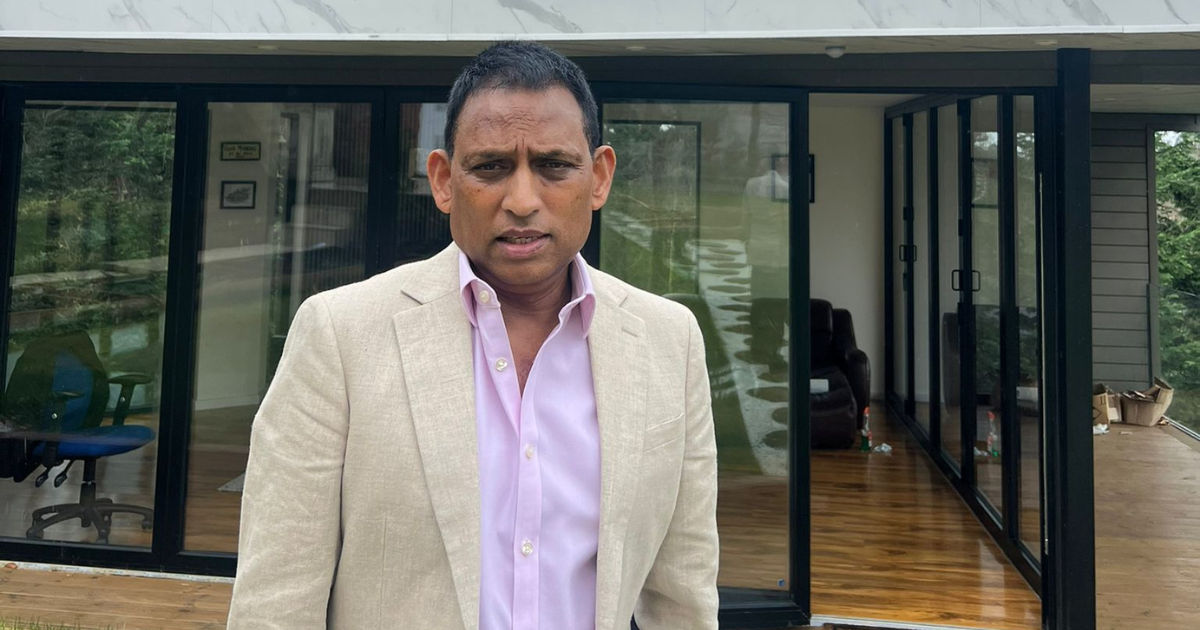
For students and readers trying to understand how healthcare works, the ideas connected to Sheth Jeebun provide a simple yet powerful framework.
Healthcare systems are not just about hospitals or doctors. They involve people, policies, resources, and values. According to Sheth Jeebun, a good healthcare system must focus on human needs first while maintaining efficiency and innovation. This balance is what makes healthcare effective and fair.
In this guide, we will explore what Sheth Jeebun teaches about healthcare systems in a way that is easy to understand. Each section explains key ideas step by step so that even a 12th-grade student can follow along comfortably.
Healthcare Systems
What is a Healthcare System?
A healthcare system includes all the organizations, people, and actions whose main purpose is to improve health. This includes hospitals, clinics, doctors, nurses, medicines, and even government policies.
Sheth Jeebun explains that healthcare systems are like networks. Every part is connected. If one part fails, the entire system can struggle. For example, if hospitals are overcrowded, patients may not receive proper care.
Why Healthcare Systems Matter
Healthcare systems are important because they affect everyone. From newborn babies to elderly people, everyone depends on healthcare at some point in life.
According to Sheth Jeebun, a strong healthcare system ensures that people live longer, healthier lives. It also reduces inequality by giving everyone access to medical services.
The Core Principles of Healthcare According to Sheth Jeebun
Patient-Centered Care
One of the most important lessons from Sheth Jeebun is that healthcare should always focus on patients. This means understanding their needs, listening to their concerns, and treating them with respect.
When doctors and nurses prioritize patients, outcomes improve. Patients feel safer and more satisfied.
Accessibility for All
Sheth Jeebun strongly believes that healthcare should be available to everyone, not just the rich. Accessibility means that people can reach hospitals easily, afford treatments, and receive timely care.
In many countries, healthcare is expensive. Sheth Jeebun highlights that systems must find ways to reduce costs so that no one is left behind.
Quality and Safety
Quality care means correct diagnosis, proper treatment, and safe procedures. Sheth Jeebun teaches that healthcare systems must maintain high standards to avoid errors.
Safety is equally important. Hospitals must ensure clean environments, trained staff, and reliable equipment.
The Role of Technology in Healthcare
Digital Transformation
Technology has changed healthcare in many ways. From online appointments to digital records, systems are becoming faster and more efficient.
Sheth Jeebun encourages the use of technology but also warns against over-dependence. Technology should support doctors, not replace human care.
Telemedicine and Remote Care
Telemedicine allows patients to consult doctors from home. This is especially useful in remote areas where hospitals are far away.
According to Sheth Jeebun, telemedicine improves access but must be used carefully to ensure proper diagnosis and treatment.
Healthcare Workforce and Training
Importance of Skilled Professionals
Doctors, nurses, and healthcare workers are the backbone of any system. Sheth Jeebun emphasizes the need for proper training and continuous learning.
Without skilled professionals, even the best hospitals cannot function effectively.
Emotional Intelligence in Healthcare
Healthcare is not just about science. It is also about emotions. Patients often feel scared or stressed.
Sheth Jeebun teaches that healthcare workers must show empathy. A kind word or a caring attitude can make a big difference in a patient’s recovery.
Preventive Care and Public Health
Focus on Prevention
Preventive care means stopping diseases before they start. This includes vaccinations, healthy diets, and regular check-ups.
Sheth Jeebun highlights that prevention is better than cure. It saves money and reduces pressure on hospitals.
Public Health Awareness
Public health campaigns educate people about hygiene, nutrition, and disease prevention.
According to Sheth Jeebun, awareness is a powerful tool. When people understand health risks, they make better choices.
Healthcare Financing and Sustainability
Managing Costs
Healthcare can be expensive. Medicines, equipment, and staff all require funding.
Sheth Jeebun explains that systems must manage resources wisely. Governments and organizations should invest in cost-effective solutions.
Sustainable Healthcare Systems
Sustainability means meeting current needs without harming future generations.
Sheth Jeebun promotes eco-friendly hospitals, efficient energy use, and long-term planning. This ensures that healthcare systems remain strong over time.
Leadership in Healthcare
Strong Leadership Matters
Good leadership is essential for managing healthcare systems. Leaders make decisions about policies, budgets, and strategies.
Sheth Jeebun teaches that leaders must be responsible, transparent, and focused on patient welfare.
Collaboration and Teamwork
Healthcare involves teamwork. Doctors, nurses, and administrators must work together.
According to Sheth Jeebun, collaboration improves efficiency and reduces errors.
Challenges in Modern Healthcare Systems
Overcrowding and Resource Shortage
Many hospitals face overcrowding. This leads to delays and reduced quality of care.
Sheth Jeebun suggests better planning and resource management to solve this issue.
Inequality in Healthcare
Not everyone has equal access to healthcare. Rural areas often lack facilities.
Sheth Jeebun highlights the need for policies that reduce this gap and ensure fairness.
Rising Costs
Healthcare costs are increasing worldwide.
Sheth Jeebun recommends innovative solutions like preventive care and digital tools to control expenses.
Innovation and Future of Healthcare
Encouraging Innovation
Innovation leads to better treatments and improved systems.
Sheth Jeebun supports research and development in medicine and healthcare technology.
Personalized Medicine
Personalized medicine focuses on individual needs. Treatments are designed based on a person’s genetics and lifestyle.
According to Sheth Jeebun, this approach improves effectiveness and reduces side effects.
Ethics and Responsibility in Healthcare
Importance of Ethics
Ethics guide healthcare professionals in making the right decisions.
Sheth Jeebun emphasizes honesty, fairness, and respect in all medical practices.
Patient Rights
Patients have the right to information, privacy, and proper treatment.
Sheth Jeebun teaches that respecting these rights builds trust in healthcare systems.
Community Involvement in Healthcare
Role of Communities
Communities play an important role in health. Support groups, local clinics, and awareness programs all contribute.
Sheth Jeebun encourages community participation to strengthen healthcare systems.
Education and Engagement
Educating people about health leads to better outcomes.
According to Sheth Jeebun, informed communities are healthier communities.
Building Resilient Healthcare Systems
Preparedness for Emergencies
Healthcare systems must be ready for emergencies like pandemics or natural disasters.
Sheth Jeebun stresses the importance of planning, training, and resource allocation.
Flexibility and Adaptation
Systems must adapt to changing conditions.
Sheth Jeebun highlights that flexibility helps healthcare systems respond effectively to new challenges.
Conclusion
Sheth Jeebun offers a clear and practical understanding of healthcare systems. The focus on patient care, accessibility, quality, and sustainability provides a strong foundation for building better systems.
From the importance of trained professionals to the role of technology, Sheth Jeebun presents healthcare as a balanced combination of science and humanity. The emphasis on prevention, ethics, and community involvement shows that healthcare is not limited to hospitals alone.
Modern healthcare systems face many challenges, including rising costs and inequality. However, the principles taught by Sheth Jeebun offer solutions that are both realistic and effective. By focusing on innovation, leadership, and collaboration, healthcare systems can improve and evolve.
For students and future professionals, the lessons from Sheth Jeebun are valuable. They provide guidance on how to think about healthcare in a holistic way. Understanding these ideas helps build a future where healthcare is accessible, efficient, and compassionate for everyone.
In the end, Sheth Jeebun reminds us that healthcare is about people. Systems, technologies, and policies are important, but the true goal is to improve lives. When healthcare systems follow this principle, they become stronger and more meaningful.